
Do You Need a Permit to Install a Tankless Water Heater in New Hampshire?
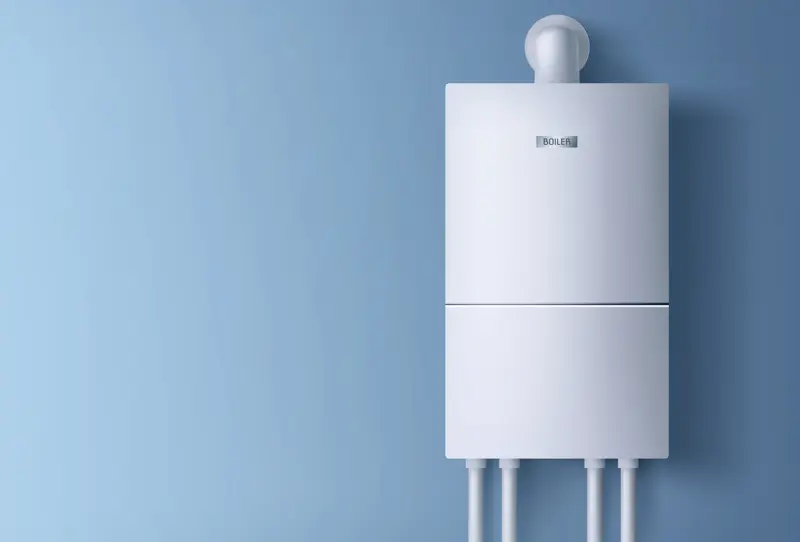
If you’re thinking about upgrading to a tankless water heater, you’re not alone. These systems are efficient, compact, and built for modern demand. But before you make the switch, there’s one critical question:
Do you need a permit to install a tankless water heater in New Hampshire?
At In Hot Water, we walk homeowners through this every day. The short answer is simple:
Yes, in most cases, you will need a permit and often more than one.
Here’s exactly how it works.
Quick Answer: Tankless Installations Almost Always Require Permits in NH
Installing a tankless water heater is considered new plumbing and mechanical work, not a simple swap.
Across New Hampshire, permits are required for:
Installing plumbing fixtures like water heaters
Any construction or system installation work
Mechanical, gas, and electrical work, depending on the system
Because tankless systems often involve multiple systems at once, they nearly always trigger permitting requirements.
Why Tankless Installations Are Treated Differently
A standard tank replacement is usually straightforward. Tankless is not.
When you install a tankless system, you’re often:
Upgrading gas lines or electrical capacity
Installing new venting
Reconfiguring plumbing connections
Meeting stricter code requirements
In other words, this isn’t just “plug and play.” It’s a system upgrade, and that’s exactly the kind of work permits are designed for.
What Permits Do You Actually Need?
This is where things get important.
In New Hampshire, permits are handled at the local level, but the structure is consistent across most towns.
1. Plumbing Permit (Always Required)
Tankless water heaters are still water heaters. That means:
They are classified as plumbing fixtures
Installation or replacement requires a permit
This applies whether you’re installing new or converting from a tank.
2. Mechanical or Gas Permit (If Applicable)
If your tankless system runs on gas (which many do), you’ll likely need:
A gas piping permit
A mechanical permit for venting and combustion systems
Many municipalities explicitly require permits for all mechanical and gas-related work.
3. Electrical Permit (For Electric Tankless Systems)
Electric tankless systems often require:
New wiring
Higher-capacity circuits
And in New Hampshire:
All electrical work requires a permit and a licensed electrician
Bottom Line
Most tankless installs require:
Plumbing permit
Gas or mechanical permit
Electrical permit (if applicable)
Each trade typically requires its own permit.
Do You Need a Permit to Convert from Tank to Tankless?
Yes. In fact, this is one of the most permit-heavy scenarios.
Converting to tankless usually involves:
New fuel supply sizing (gas or electric)
Venting changes
Plumbing reconfiguration
That qualifies as alteration and new system installation, which requires permitting under New Hampshire guidelines.
What About Repairs or Maintenance?
This is where things can differ.
You typically DO NOT need a permit for:
Minor maintenance
Cleaning or descaling
Small component replacements
You likely DO need a permit for:
Replacing major components
Modifying piping or venting
Any work that changes the system
In New Hampshire, minor repairs are exempt, but anything beyond surface-level work usually requires approval.
Who Pulls the Permit?
In most cases:
A licensed plumber or contractor pulls the permit
This matters because:
New Hampshire requires licensed professionals for plumbing work
Permits are often tied to that license
Homeowners may be able to pull permits themselves in some towns, but:
You’re still responsible for code compliance
You’ll need to coordinate inspections
Do You Need an Inspection?
Yes. Almost every permitted job includes one.
Once the tankless system is installed:
An inspector checks the work
Verifies code compliance
Ensures safe operation
Inspections are required for permitted plumbing, electrical, and mechanical work across New Hampshire.
What Happens If You Skip the Permit?
We get it. Permits can feel like a hassle. But skipping them can cause real problems:
Failed home inspections when selling
Insurance complications
Safety risks from improper installation
Potential fines or required rework
Also, in most municipalities:
You cannot legally start work until a permit is approved
How Long Does It Take to Get a Permit?
Most towns process permits fairly quickly.
Typical turnaround:
2 to 10 business days, depending on the project and workload
More complex tankless installations may take slightly longer due to:
Multi-trade review
System upgrades
Final Thoughts: Tankless Water Heaters and Permits in NH
If you’re installing a tankless water heater in New Hampshire, here’s the reality:
Yes, you almost always need a permit
You may need multiple permits depending on the system
Inspections are part of the process
Licensed professionals are typically required
Tankless systems are a great upgrade, but they’re also more complex than traditional units. That’s why the permitting process exists—to make sure everything is installed safely and correctly.
Need Help with a Tankless Installation?
At In Hot Water, we don’t just install systems. We handle:
Permits
Code compliance
Inspections
Full system setup
So you don’t have to worry about missing a step.
If you’re considering going tankless in New Hampshire, reach out to our team. We’ll make sure it’s done right from day one.

Comments